
PTFE Sutures: Smart Choice for UK Implant Sites with Low Bacteria

267 Views
In the ever-evolving landscape of UK implant dentistry, the smallest details can make the biggest difference. Every patient’s smile represents not just a technical achievement, but a triumph of healing, trust, and care. As clinicians, we know that outcomes hinge on the choices we make before, during, and after surgery—including the type of sutures we select. Today, monofilament sutures—and in particular, PTFE (polytetrafluoroethylene) monofilament sutures—are carving out a reputation as a game-changer for high-risk sites, thanks to their unique ability to resist bacterial adhesion.
But what makes these sutures so special? Why are more UK implantologists reaching for PTFE monofilament suture packs, especially in cases where infection risk is high? Let’s explore the science, the clinical experience, and the very human reasons behind this shift, and why these unassuming threads might just be the quiet heroes of modern implantology.
The Challenge: Infection Control in Implant Dentistry
Dental implants have revolutionised restorative dentistry, but the path to a lasting, beautiful result is never without its hurdles. One of the most persistent threats is infection—especially during those critical early weeks when tissues are healing and integration is underway.
Sutures, though often overlooked, play a central role in this equation. They’re the bridge that holds delicate tissue together, maintaining wound stability and protecting the surgical site. But if those sutures become a magnet for bacteria, they can turn from friend to foe, opening the door to complications that no clinician—or patient—wants to face.
In this context, the type of suture material is far from trivial. It’s a crucial decision, especially in UK practices where patient diversity and medical complexity are the norm.
Read More: Understanding Obesity: Key Causes, Risk Factors and Possible Solutions: Evan Bass Men’s Clinic
What Are Monofilament Sutures—and Why Do They Matter?
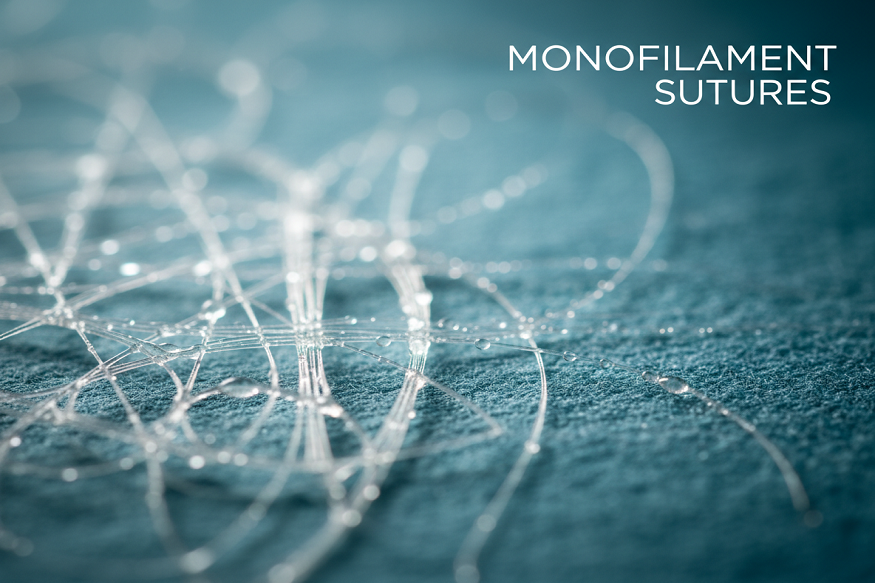
Monofilament sutures are single-stranded, synthetic threads that glide smoothly through tissue. Unlike braided sutures, which are made of multiple intertwined filaments, monofilament sutures have a smooth, non-porous surface. This one difference brings a host of advantages:
- Reduced bacterial adhesion: The smooth surface offers fewer hiding places for bacteria, making it much harder for colonies to take hold.
- Lower tissue drags: Monofilament sutures cause minimal trauma as they pass through tissue, reducing inflammation and supporting cleaner healing.
- Minimal wicking effect: Unlike braided threads that can draw fluids and bacteria through capillary action, monofilaments resist this effect.
Among the various materials available, PTFE stands out as a particularly powerful ally in the fight against infection.
PTFE: The Gold Standard in Monofilament Sutures
PTFE, or polytetrafluoroethylene, is a synthetic fluoropolymer with an impressive pedigree in medicine. Its non-reactive, biocompatible nature has made it a staple in cardiovascular and general surgery for decades, and now it’s earning fans in dental implantology too.
What sets PTFE monofilament sutures apart?
- Outstanding biocompatibility: PTFE is inert, meaning it doesn’t provoke unwanted immune reactions or tissue irritation.
- Silky smooth handling: PTFE slides through even delicate oral tissue with remarkable ease, minimising trauma for patients.
- Supremely low bacterial adhesion: The non-porous surface of PTFE is inhospitable to bacteria—making it the preferred choice for high-risk sites like bone grafts, sinus lifts, and immediate implant placements.
- Long-term stability: PTFE does not degrade or lose tensile strength during the critical healing window, ensuring reliable wound closure.
For UK clinicians, these properties are more than technical perks—they’re a measure of confidence, care, and commitment to the patient’s well-being.
The Science Behind Low Bacterial Adhesion
Let’s pause for a moment to understand why PTFE monofilament sutures outperform others in resisting bacterial colonisation. In the oral cavity, where saliva, food debris, and a diverse microbiome are constantly present, suture materials can quickly become a substrate for bacteria. Once bacteria adhere, they can form biofilms—complex communities that are notoriously resistant to antibiotics and the immune response.
Braided sutures, with their tiny spaces between fibres, act like sponges: they soak up fluids and provide a perfect habitat for bacteria. In contrast, monofilament sutures such as PTFE have a smooth, sealed surface that bacteria struggle to cling to. The result? Lower infection rates, cleaner wounds, and a smoother path to successful healing.
Numerous in-vitro studies have confirmed that PTFE sutures harbour significantly fewer bacteria than their braided or multifilament counterparts. For UK implantologists, this translates into something invaluable: peace of mind.
When Are PTFE Monofilament Sutures Especially Beneficial?
While PTFE monofilament sutures offer benefits in almost any surgical context, there are certain scenarios where their advantages are most pronounced:
- High-risk patients: Smokers, diabetics, or those with compromised immune systems are more prone to infection. Using PTFE sutures provides an added layer of protection.
- Bone grafting and GBR procedures: These sites are particularly susceptible to bacterial invasion. A suture that resists bacterial colonisation can make the difference between graft success and failure.
- Immediate implant placements: The stakes are high when implants are placed at the time of extraction. PTFE’s stability and low bacterial affinity help tip the scales in favour of predictable integration.
- Sinus lifts and augmentation: Procedures involving the sinus or large soft tissue flaps benefit from a suture material that won’t harbour bacteria or provoke inflammation.
- Patients with poor oral hygiene: In real-world clinical practice, not every patient can maintain textbook oral hygiene. PTFE sutures offer reassurance in these cases.
A Human Perspective: What It Means for Patients and Clinicians
Behind every successful case is a patient who entrusts us with their health, their comfort, and their hopes for a better smile. Sutures may be tiny, but for patients, they can make a world of difference. The choice of PTFE monofilament sutures often translates to:
Read More: Why More Smokers Are Turning to Native Smokes for Less
- Less swelling and discomfort: Lower inflammation means a smoother, more comfortable recovery.
- Reduced need for antibiotics: By minimising the risk of infection, patients may avoid unnecessary medications and their side effects.
- Faster return to normal life: Clean, well-healed wounds mean less downtime and more confidence for the patient.
- Fewer post-op complications: For both patient and clinician, this means fewer worries and a more satisfying journey from surgery to smile.
For clinicians, the benefits go beyond clinical outcomes; they touch on reputation, patient trust, and the satisfaction that comes from seeing a job well done.
Handling and Removal: The Practical Benefits of PTFE Monofilament Sutures
Many clinicians who switch to PTFE monofilament sutures are pleasantly surprised by their handling characteristics. Despite being strong and durable, they are supple and easy to knot securely. Their smoothness allows for atraumatic passage through tissue, which is especially appreciated in delicate flap management.
Removal is another area where PTFE shines. Unlike some materials that can become embedded or provoke tissue reaction, PTFE is easy to locate and remove, typically causing minimal discomfort for the patient. This small but meaningful detail makes follow-up appointments more pleasant for everyone involved.
E-E-A-T and the Evidence: Why Trust Matters
Today’s dental professionals are rightly focused on evidence-based choices. The shift towards PTFE monofilament sutures is driven by a growing body of research and a chorus of real-world success stories. Studies consistently show lower bacterial colonisation, reduced inflammatory response, and high patient satisfaction with PTFE sutures compared to alternatives.
But beyond the science, trust is built through experience—through the smiles of patients whose healing was smooth and uneventful, and the confidence of clinicians who know they’ve made the best possible choice.
The Emotional Side of Precision
To the outside world, choosing a suture may seem a minor detail. But for those of us in the field, it’s about more than technique—it’s about empathy, foresight, and the quiet pride that comes with doing things right, even when no one is watching.
When a patient returns for their follow-up, healing perfectly, free from infection and discomfort, we know we’ve honoured that trust. PTFE monofilament sutures are one of those small choices that tell our patients: “You matter. Every detail of your care matters.”
Looking Ahead: The Future of Suture Selection in UK Implant Dentistry
As UK implant dentistry continues to raise the bar for excellence, the tools we choose will evolve as well. PTFE monofilament sutures, with their unique blend of biocompatibility, handling, and infection resistance, are likely to become the gold standard for high-risk sites. Their role in reducing complications, supporting predictable outcomes, and enhancing patient satisfaction cannot be overstated.
For clinicians striving not just for functional success, but for the kind of care that inspires loyalty and gratitude, PTFE monofilament sutures are more than just another product—they’re a quiet revolution, and a testament to the power of thoughtful, evidence-based practice.
Disclaimer: This article is for informational purposes only. Dental professionals should consult current clinical guidelines, research literature, and product documentation before selecting suture materials for patient care. Patient outcomes may vary based on individual factors.

2 thoughts on “PTFE Sutures: Smart Choice for UK Implant Sites with Low Bacteria”