
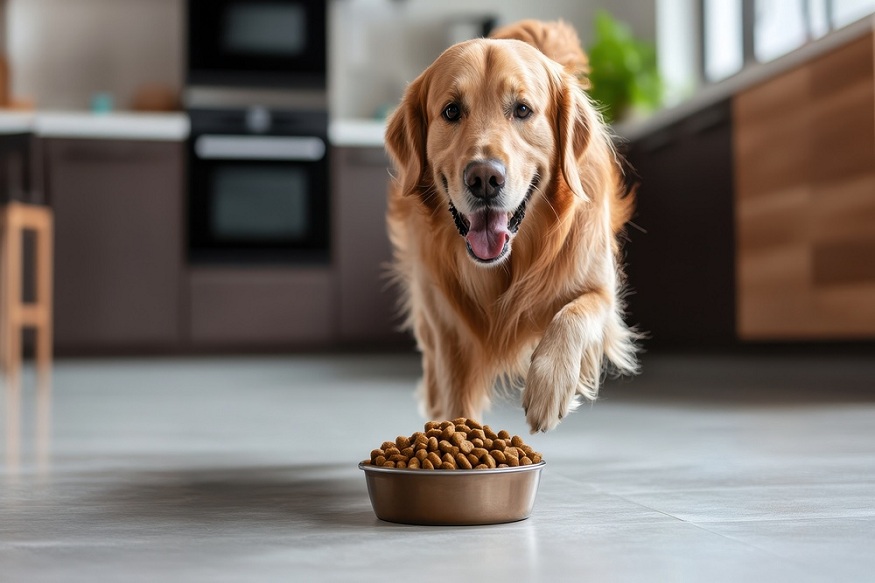
A Smarter Way to Decode Your Dog’s Eating Patterns

168 Views
Pet owners usually obsess over which brand of kibble to buy. They totally miss the weird stuff happening at mealtimes, though. The way a dog approaches its bowl, how fast it chows down, whether it finishes everything. It all matters. These clues help catch problems while they’re still small and fixable.
Speed Eating Versus Slow Grazing
Some dogs attack their food as if they haven’t eaten in weeks. Gone in sixty seconds. This creates genuine problems such as bloating, choking, and vomiting up half-chewed kibble. Usually, these speed demons grew up fighting siblings for food. Or maybe they lived on the streets. The habit sticks around even when there’s plenty to eat. Then you’ve got the opposite situation. Nibble here, nibble there. Could be personality. Could be something else. Teeth hurt? Eating hurts. Feeling queasy? Food looks gross. The dog might feel awkward eating in a busy spot. Watch for sudden switches though. Your vacuum cleaner dog starts leaving food behind? Something changed. The princess pup who usually grazes suddenly scarfs everything? Also strange. Dogs don’t randomly change eating habits for fun.
Timing Tells Its Own Story
Breakfast enthusiasm usually means a healthy dog. Skip morning meals but demolish dinner? Stomach acid might be building up overnight, making them feel sick. Eating only late at night could mean daytime stress. Maybe the kids are too loud. Maybe the cat stalks them during lunch.
Dogs naturally adjust their appetite with the seasons too. Winter means more calories. Summer heat kills appetites. Totally normal. But if your dog stops eating in perfect weather for no obvious reason, pay attention. Some dogs need structure – 7 AM breakfast, 5 PM dinner, done. Others graze all day like they’re at a buffet. Both work fine. Problems start when the routine breaks without explanation.
When Eating Goes Wrong
Stomach troubles make themselves known pretty dramatically. Ever seen a dog throwing up whole dog food? It usually means they inhaled dinner too fast, or their stomachs just can’t handle what they ate. Companies like Nextrition make food and treats that actually help with this stuff. Their digestive products help dogs break down food properly so it stays down. Less mess for you, happier stomach for them.
Food strikes happen for lots of reasons. New house? Not hungry. Fight with another pet? Lost appetite. Feeling sick? Food looks terrible. Sometimes they just hate the new bag of food you bought on sale. Dogs have opinions. Resource guarding gets ugly fast. Dogs hovering over bowls, growling at anyone nearby, eating faster when people walk by. Past trauma usually drives it. Street dogs guard food. Puppy mill survivors guard food. Even well-loved pets develop guarding behaviors if something triggers them.
Creating Better Eating Habits
Start by playing detective. Write down the weird stuff. Monday: left half his breakfast. Wednesday: threw up after dinner. Friday: growled when the cat walked by. Patterns emerge after a couple weeks. Slow feeders work great for dogs who inhale food. Those maze bowls force them to work for each piece. Elevated bowls help older dogs eat. Small meals are easier on sensitive stomachs. Environment matters too. Move the bowl somewhere quiet. Feed nervous dogs separately. Some dogs eat better with company, others need privacy. Trial and error reveals what works.
Conclusion
Food behaviors connect to everything else in a dog’s life. Stress, pain, happiness, fear. It all shows up at mealtime. Knowing your dog’s eating habits helps you spot problems sooner. You’ll sense trouble before it escalates. That information reduces vet costs and keeps dogs healthy. Furthermore, learning your dog’s quirks makes you a better pet parent. Stay tuned, keep studying, and rely on your instincts.